NEMO Hornet OSMO Ultralight Tent Review 2026

By Ben Carter

9.1
Consumers Best Verdict: NEMO Hornet OSMO Ultralight Tent Highlights
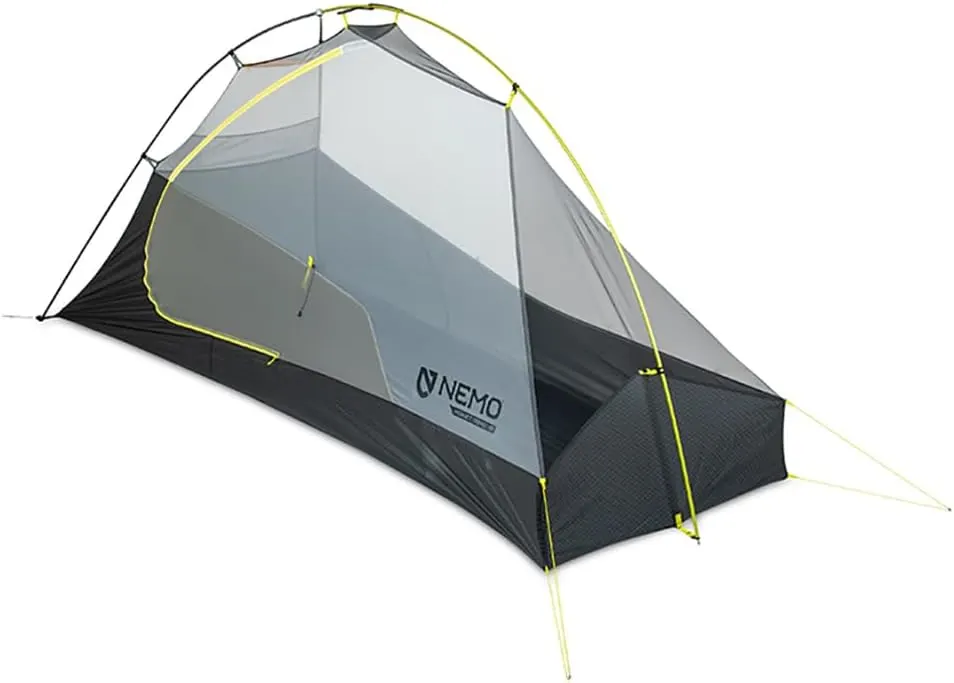
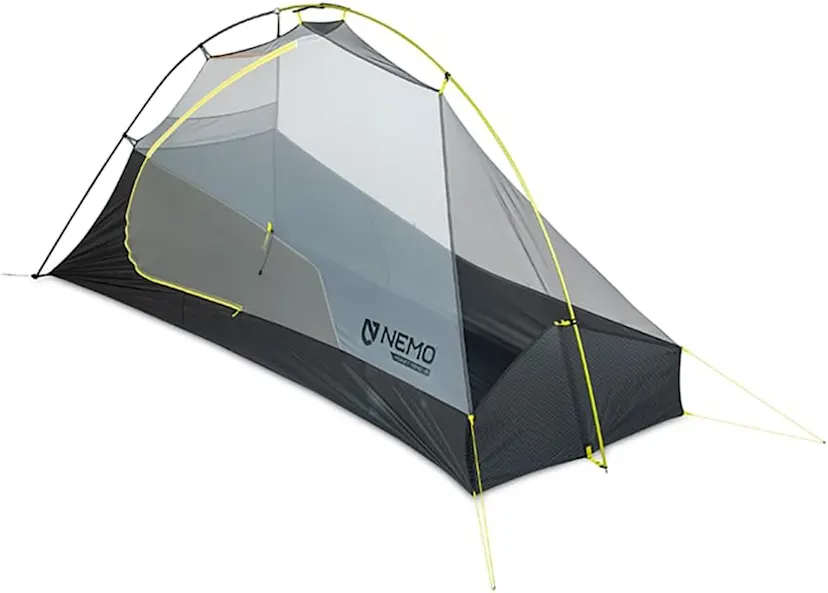
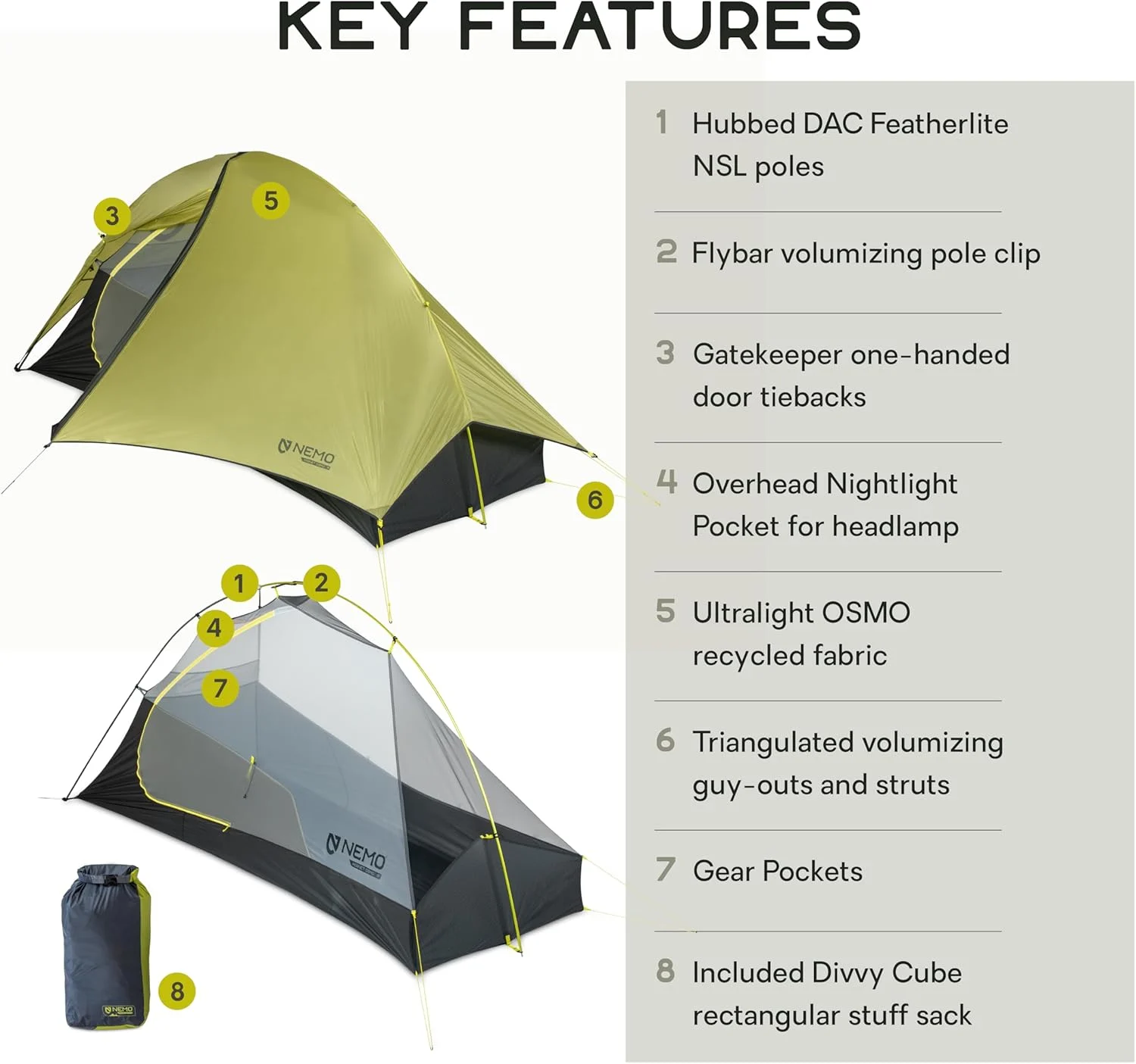
The Hornet OSMO is NEMO’s minimalist, semi-freestanding backpacking tent line built with recycled, PFAS-free OSMO fabric that resists stretch when wet and holds water repellency longer. Two doors and vestibules on the 2P, clever Flybar and volumizing guy-outs for elbow room, plus a splitable Divvy stuff sack—little things that matter after a long day. If you’re hunting for a true roomy three-person, though, you’ll likely lean elsewhere. More on that below.
Look, after too many miles and not enough sleep, the NEMO Hornet OSMO Ultralight Tent still made me smile. It’s legitimately light, pitches fast, and that OSMO fabric keeps its shape when storms roll in—no soggy sag, no drama. For ounce-counters who still want a real double-wall shelter and smart livability touches, it’s a standout in 2026. It’s not the cheapest and it’s a bit snug (by design), but the balance of weight, weather performance, and ease-of-use feels dialed.
In-Depth Look: NEMO Hornet OSMO Ultralight Tent Features & Considerations
Core Features & Consumer Benefits
Here’s what stood out on trail—tiny details that add up when you’re tired, wet, and hungry.
OSMO fabric advantage
Recycled, PFAS-free material that sags less when wet and keeps water beading longer, so the tent stays taut and livable through overnight rain.
True ultralight build
Sub-3‑lb class (varies by size) without ditching the double-wall design, which helps with condensation management and all-night comfort.
Faster, friendlier pitch
Hubbed pole architecture and intuitive clips make setup quick—even solo, even at dusk—so you’re not wrestling fabric in a gust.
Room where it counts
Flybar at the apex and volumizing guy-outs create extra head and shoulder space, making a small tent feel less… small.
Trail-smart details
Two vestibules/doors on multi-person versions, Light Pockets that diffuse a headlamp, and a Divvy stuff sack for sharing the load with a partner.
Important Considerations & Potential Downsides
- Cozy by intent
Interior is efficient rather than sprawling; taller campers or anyone spreading out gear may want a roomier model.
- Semi-freestanding reality
The foot end still needs stakes for best shape—on rocky ground you’ll need creativity (and good anchors).
- UL materials need care
The lightweight floor and fly are durable for their class, but a footprint and mindful site selection extend lifespan.
- Premium price tier
You’re paying for cutting-edge fabric and design; great value for serious backpackers, less so for occasional car campers.
Who Is the NEMO Hornet OSMO Ultralight Tent Best For?
Ultralight backpackers counting ounces
Want real weather protection without hauling extra pounds on big-mile days.
Fast-and-light weekenders
Prefer a quick pitch and compact pack size that disappears inside a smaller pack.
Partners who share gear
Like the Divvy stuff sack and dual-vestibule convenience to split load and keep exits easy.
Wet-weather hikers
Value fabric that resists stretch in rain, holding shape and reducing midnight sag adjustments.
Leave-no-trace minimalists
Appreciate PFAS-free, recycled materials and a design ethos that treads lighter.
Who Might Want to Explore Other Options?
- Need true three-adult space
If your search is “nemo hornet osmo ultralight 3‑person tent,” know the Hornet line is cozy—check the NEMO Dagger OSMO 3P for genuine elbow room.
- Car campers prioritizing comfort
Heavier, roomier tents (or freestanding models) often deliver better headroom and gear sprawl for basecamp vibes.
- Budget-focused buyers
Value-oriented UL options from REI Co-op or Durston may come in cheaper, with small trade-offs in features or materials.
- Frequent rocky-ground campers
A fully freestanding design like MSR Hubba Hubba can be less fussy where staking is tricky.