MSR FreeLite Ultralight Tents Review: Is the Weight Worth It in 2026?

By Ben Carter

9
Consumers Best Verdict: MSR FreeLite Ultralight Tents Highlights
Across the range, you’re getting a smart semi-freestanding design, quality pole architecture, and minimalist-yet-livable space. Setup is quick, ventilation is thoughtfully managed, and weatherproofing holds up for typical three-season storms with good site selection. Yes, the fabrics are thin, and yes, price sits on the premium shelf—but MSR’s build quality and long-standing support history help justify it. If you’re nodding along and thinking, I just want something light that works, you’re the person MSR had in mind.
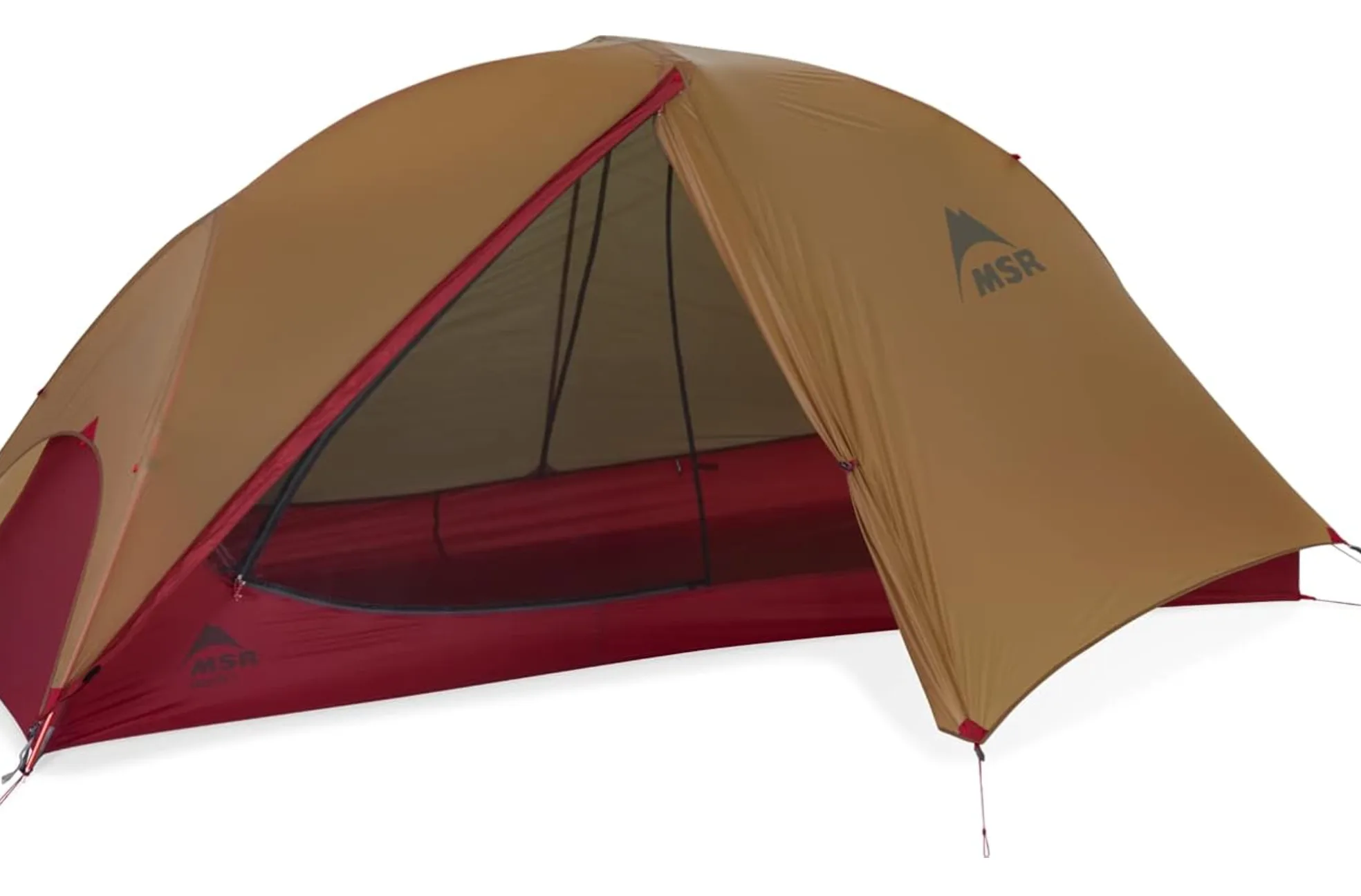
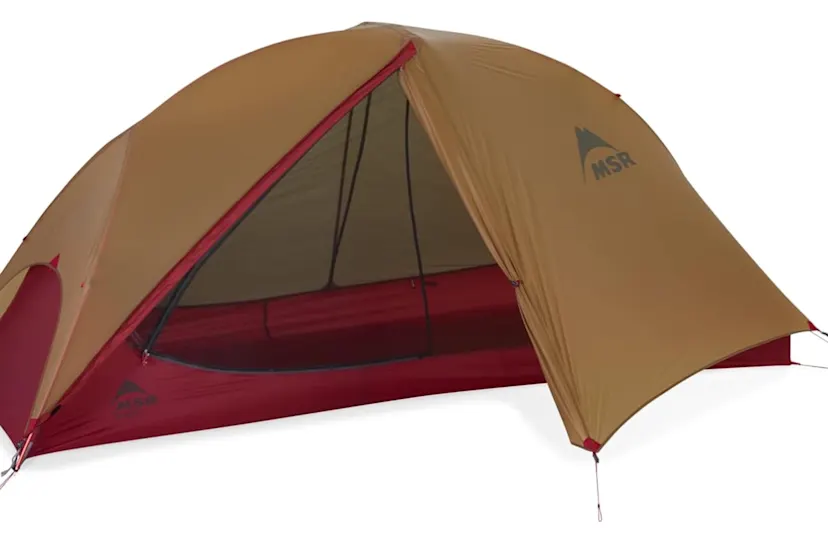
If you’re chasing real miles and counting every ounce, the MSR FreeLite Ultralight Tents line just clicks. The msr freelite 1, in particular, hits that sweet spot of legit storm protection and sub-2-ish-pound trail weight without feeling flimsy. It’s not the plushest shelter on the mountain, but it’s dependable, fast to pitch, and—when the wind kicks up—calmer than you’d expect for something this feathery. From where I’m standing in 2026, this is one of those “buy it once, use it everywhere” ultralight picks for three-season missions.
In-Depth Look: MSR FreeLite Ultralight Tents Features & Considerations
Core Features & Consumer Benefits
Here’s the quick take on why the FreeLite series—including the msr freelite 1—has become a trail favorite.
Ultralight trail weights
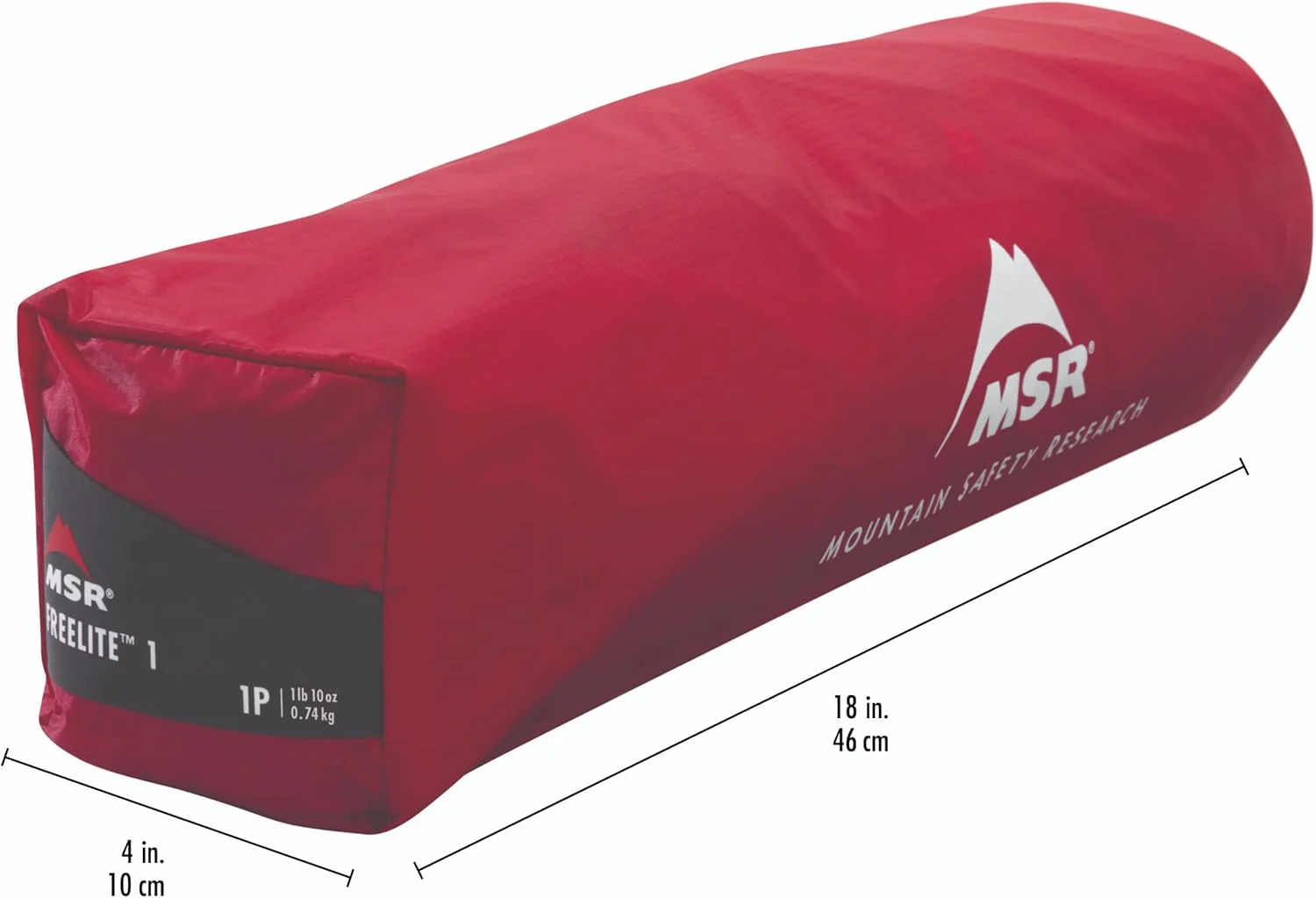
The msr freelite 1 trims grams aggressively, landing around the 2 lb mark (give or take with stakes/guylines), which you feel—or rather don’t feel—on back-to-back mileage days.
Semi-freestanding, fast pitch
Hubbed pole design and intuitive clips help you pitch quickly before weather rolls in; stake the foot-end to lock in full shape and tension.
Legit three-season protection
Full-coverage fly, bathtub floor, and smart guy-out points handle typical spring-to-fall storms with solid confidence when you choose a thoughtful campsite.
Livability for the weight
Near-vertical sidewalls and efficient geometry create headroom that doesn’t feel coffin-like—especially notable on the 1P when you need to sit up, sort gear, or ride out a shower.
Quality materials, reputable brand
MSR’s pole sets and coatings are time-tested, and the brand’s warranty/repair support has a strong track record—meaning your tent’s not just light, it’s backed.
Important Considerations & Potential Downsides
- Semi-freestanding caveat
You’ll need stakes for best structure at the foot-end; on rock slabs or deep sand, take extra care with anchors.
- Delicate fabrics
It’s ultralight for a reason—treat it gently. A footprint or polycro sheet is a smart move to protect the floor on rough ground.
- Cozy interior dimensions
Taller hikers and wide pads fit, but it’s closer to efficient than expansive. If you like to sprawl, you may notice the taper.
- Premium pricing
You’re paying for grams saved and brand reliability. Value is high for committed backpackers, less so for casual weekend car campers.
Who Is the MSR FreeLite Ultralight Tents Best For?
Ultralight backpackers
You want a proven shelter that keeps weight way down without ditching weatherworthiness.
Thru-hikers and section hikers
Day-after-day efficiency, quick setup, and durability that stands up over a long season.
Solo gram-counters (msr freelite 1)
You need a real roof over your head for under ~2 lb trail weight, not a wispy compromise.
Fast-and-light weekenders
You’re moving fast, chasing summits, and prefer more energy in your legs than on your back.
Backpackers in variable shoulder seasons
Spring and fall trips where legit wind/rain performance still matters.
Who Might Want to Explore Other Options?
- Car campers and basecampers
If comfort-first space and burlier fabrics top your list, a roomier, heavier tent will feel better.
- Winter and high-alpine specialists
This is a three-season shelter; for heavy snow loads or severe alpine winds, look to a four-season design.
- Tall users who sprawl
If you’re well over 6'2" and like extra elbow/foot room, consider a roomier geometry or a size-up.
- Tight budgets
Ultralight with brand pedigree isn’t cheap—value tents exist if every ounce isn’t mission-critical.