iSpring RCC7AK 6-Stage System: Real-World Review for 2026

By Ben Carter

9.2
Consumers Best Verdict: iSpring RCC7AK 6-Stage System Highlights
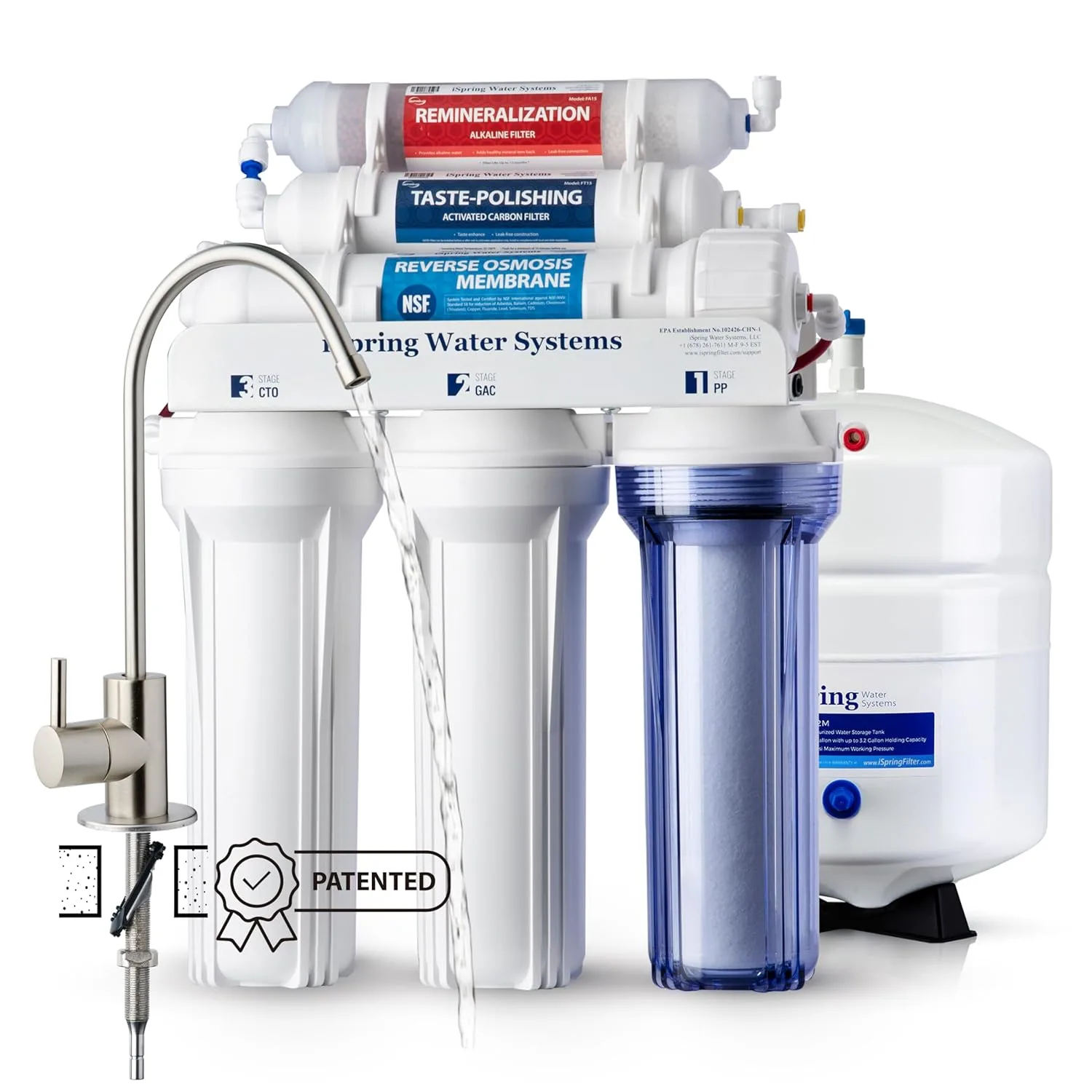
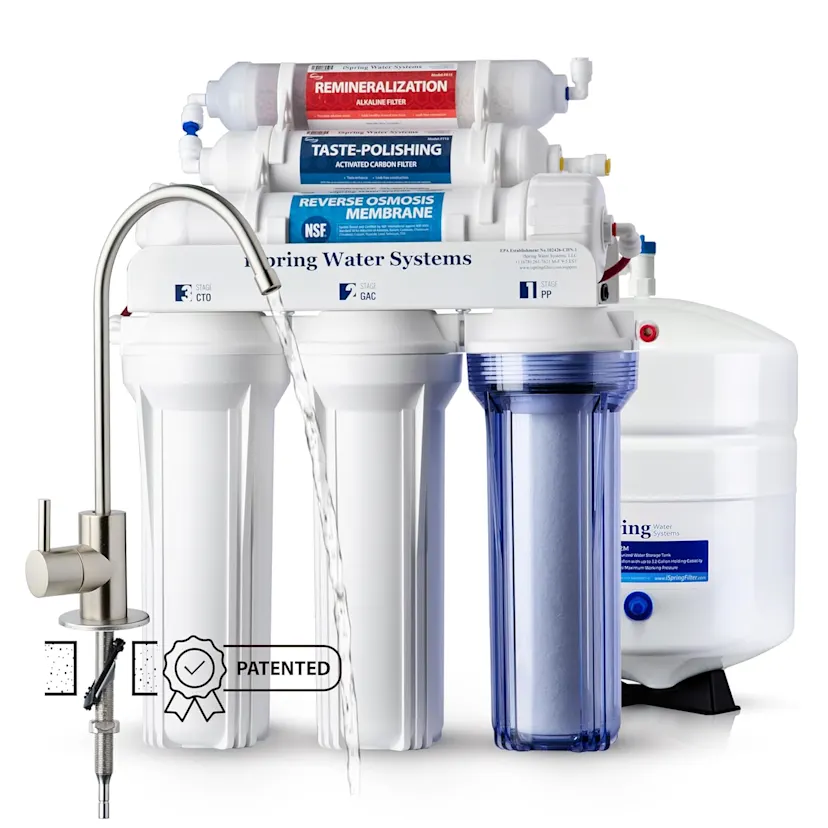
Think of the ispring rcc7ak 6-stage ro system as a practical upgrade: solid 6-stage purification, a tidy under-sink footprint, and an included faucet that feels premium for the price. Install isn’t scary if you’re reasonably handy (color-coded lines help), and ongoing filter costs are predictable. It’s not a zero-waste, tankless unicorn—but for most homes, it hits the sweet spot of performance, taste, and long-term cost.
If you want crisp, clean-tasting water without getting into lab-grade complexity, the iSpring RCC7AK 6-Stage System just… delivers. The RO core knocks down the usual suspects, and the alkaline remineralization brings back a natural taste that doesn’t feel flat or “too pure.” After living with it, my honest take is simple: the value-to-results ratio is tough to beat in 2026, especially for families that drink a lot of water.
In-Depth Look: iSpring RCC7AK 6-Stage System Features & Considerations
Core Features & Consumer Benefits
Here’s what stood out to me during day-to-day use—and why it matters when you’re actually living with it.
6-Stage RO + Alkaline Remineralization
Deep contaminant reduction from the RO membrane, then a gentle pH lift and mineral touch so water tastes clean, not clinical.
Better-Tasting Coffee, Tea, and Cooking
With chlorine bite gone and balanced minerals back, hot drinks are smoother and food flavors pop—subtle, but you notice it.
Clear First-Stage Housing
You can literally see when the sediment filter is working hard, which makes it easier to swap on time and avoid guesswork.
Under-Sink Friendly with Dedicated Faucet
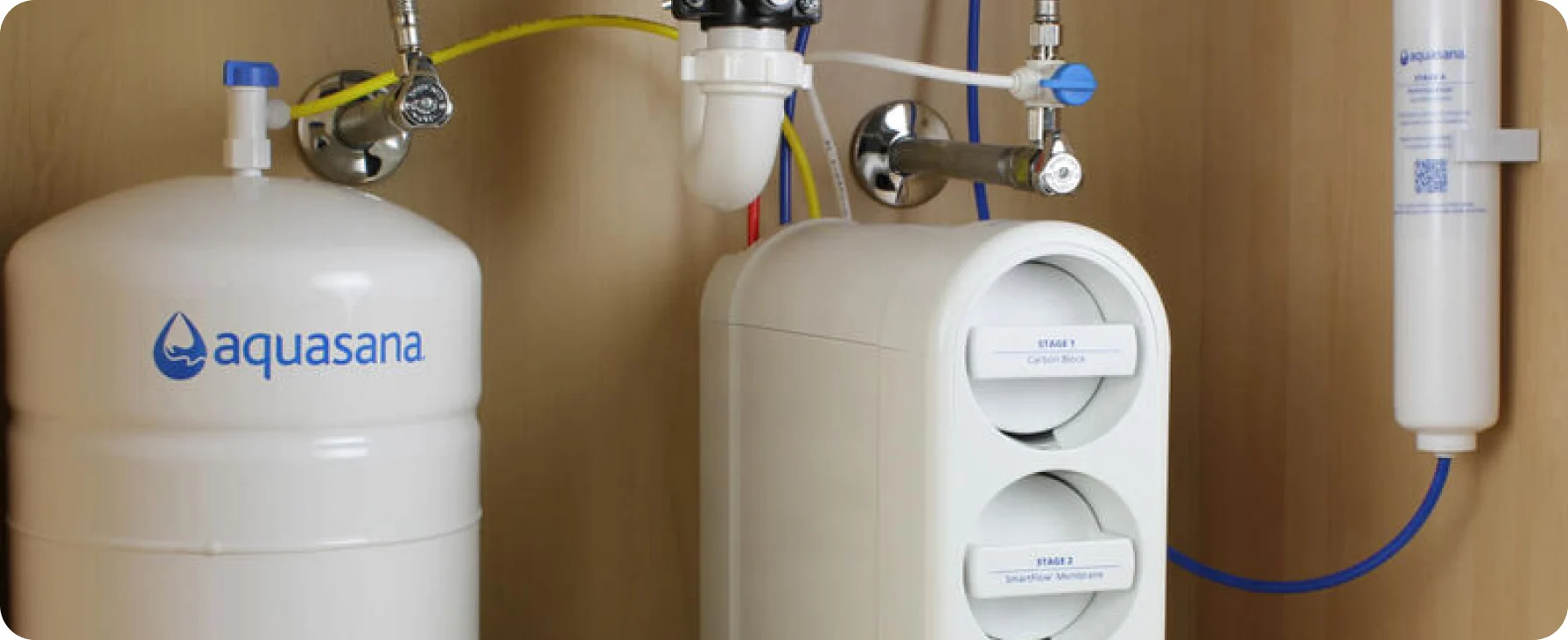
A compact tank plus a lead-free faucet keeps things tidy; no countertop clutter, just a sleek tap for filtered water.
DIY-Friendly Install & Support
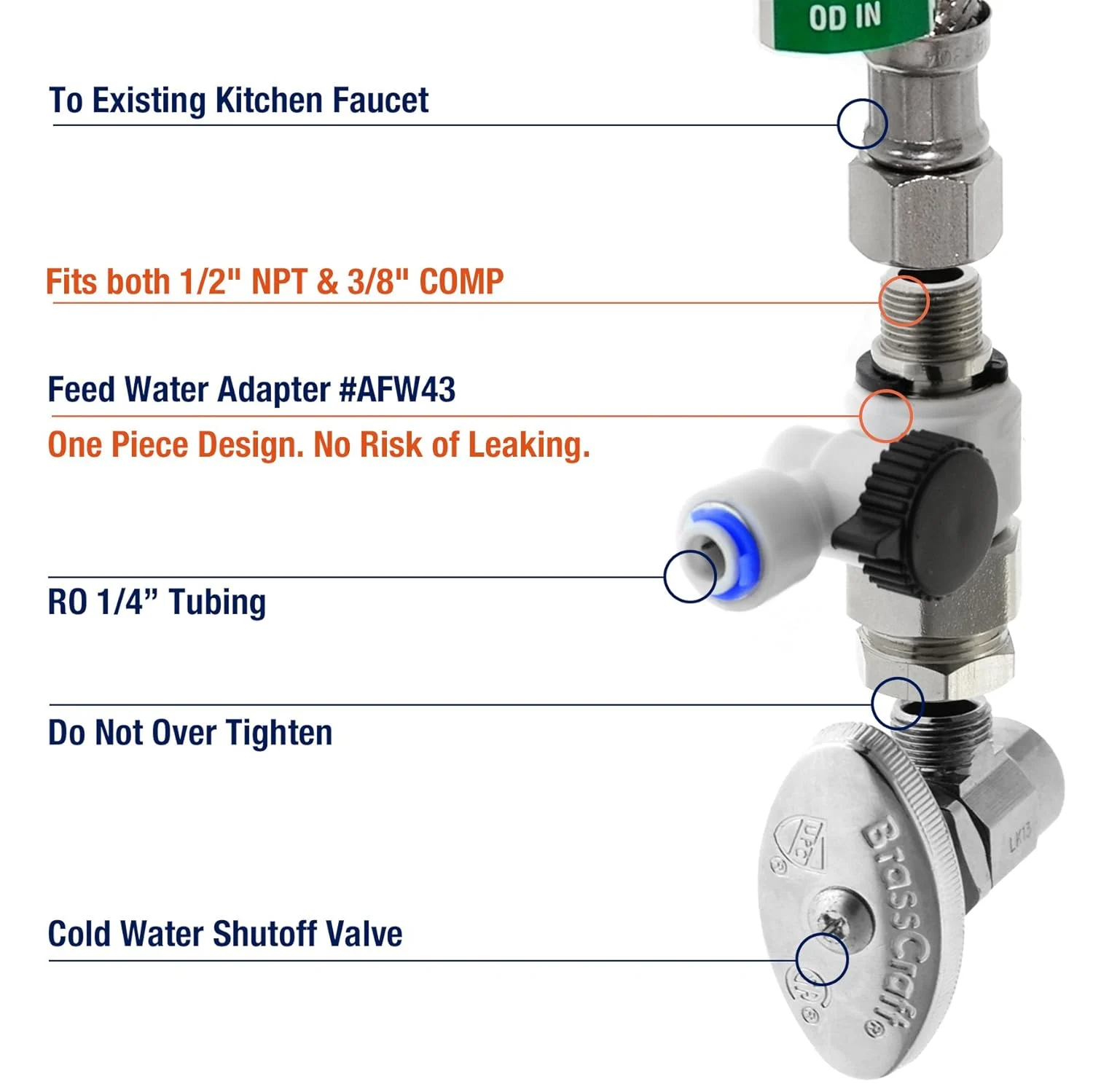
Color-coded tubing, push-fit connectors, and straightforward instructions. And when you need it, Consumer's Best has seen iSpring’s responsive tech support pull folks through sticky installs.
Important Considerations & Potential Downsides
- Wastewater Ratio
Like most tanked RO units, it produces brine during purification—expect roughly 2–3 gallons of waste per 1 gallon of filtered water, depending on your water pressure.
- Takes Up Cabinet Space
The tank and filters occupy a fair chunk under the sink; tight cabinets or complex plumbing may require some Tetris.
- Pressure Matters
Low incoming water pressure can slow production; homes under ~40–45 psi may want a booster pump for best flow.
- Faucet Hole Needed
If you don’t already have an extra hole, you’ll likely drill your sink or countertop—or repurpose a soap dispenser spot.
Who Is the iSpring RCC7AK 6-Stage System Best For?
Taste-First Households
You want crisp water and better coffee without that flat RO flavor—remineralization keeps it lively.
Budget-Conscious Upgraders
You’re chasing premium-taste water but prefer predictable filter costs over pricey, proprietary cartridges.
DIY-Ready Homeowners
You’re comfortable with basic plumbing, color-coded lines, and taking an hour or two to install on a weekend.
Families and Daily Sippers
You fill bottles, cook nightly, and want a dedicated faucet that keeps up without fuss.
City Water Users (and Many Wells)
You need broad contaminant reduction; for very hard or iron-heavy wells, you’ll pair it with basic pre-treatment.
Who Might Want to Explore Other Options?
- Small-Space Renters
If you can’t drill or lose cabinet space, consider a countertop RO or a compact tankless system.
- Zero-Waste Seekers
If brine discharge is a hard no, look for systems that recirculate reject water or pair with greywater uses.
- Speed + High Flow Fans
If you want instant, high-flow RO from a tankless unit with smart monitors, a modern tankless RO may suit better.
- Very Hard/Problematic Wells
If you’ve got heavy iron, manganese, or extreme hardness, add proper pre-treatment—or consider a system designed for well water challenges.