Garmin Venu 3 Review (2026): Why This garmin venu 3 smartwatch Still Nails the Daily-Driver Brief

By Ben Carter

9.1
Consumers Best Verdict: Garmin Venu 3 Highlights
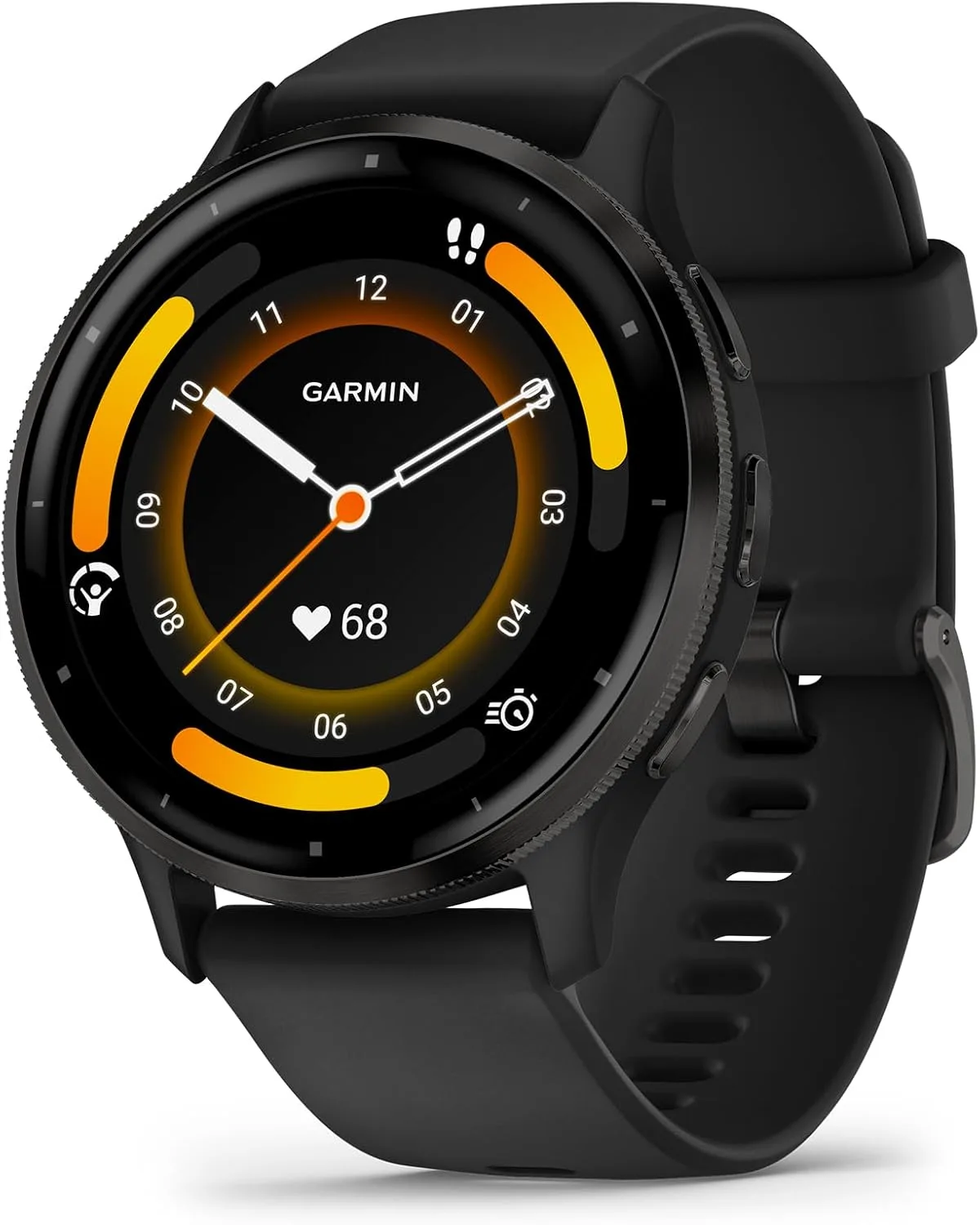
In 2026, the Garmin Venu 3 still sits in that sweet spot between premium fitness watch and approachable smartwatch. You get crisp AMOLED visuals, on-wrist calls, Sleep Coach with nap detection, thoughtful accessibility tools, and Garmin’s famously steady GPS and app reliability. It doesn’t chase pro-athlete training metrics or LTE, but for most people—that’s not a dealbreaker, it’s clarity.
Look, after months of living with the garmin venu 3 smartwatch, my honest take is simple: it just works—and keeps working. Battery that actually lasts, health insights you’ll actually use, and everyday smarts that don’t feel fussy. From the team at Consumer's Best, we’d call it a confident, polished daily driver that earns its price if you value reliability over bells-and-whistles gimmicks.
In-Depth Look: Garmin Venu 3 Features & Considerations
Core Features & Consumer Benefits
Here’s where the garmin venu 3 smartwatch quietly wins day after day—practical features, delivered cleanly.
Multi-day stamina
Up to roughly two weeks in smartwatch mode means you charge less and track more. Weekend trip? Forget the charger—seriously.
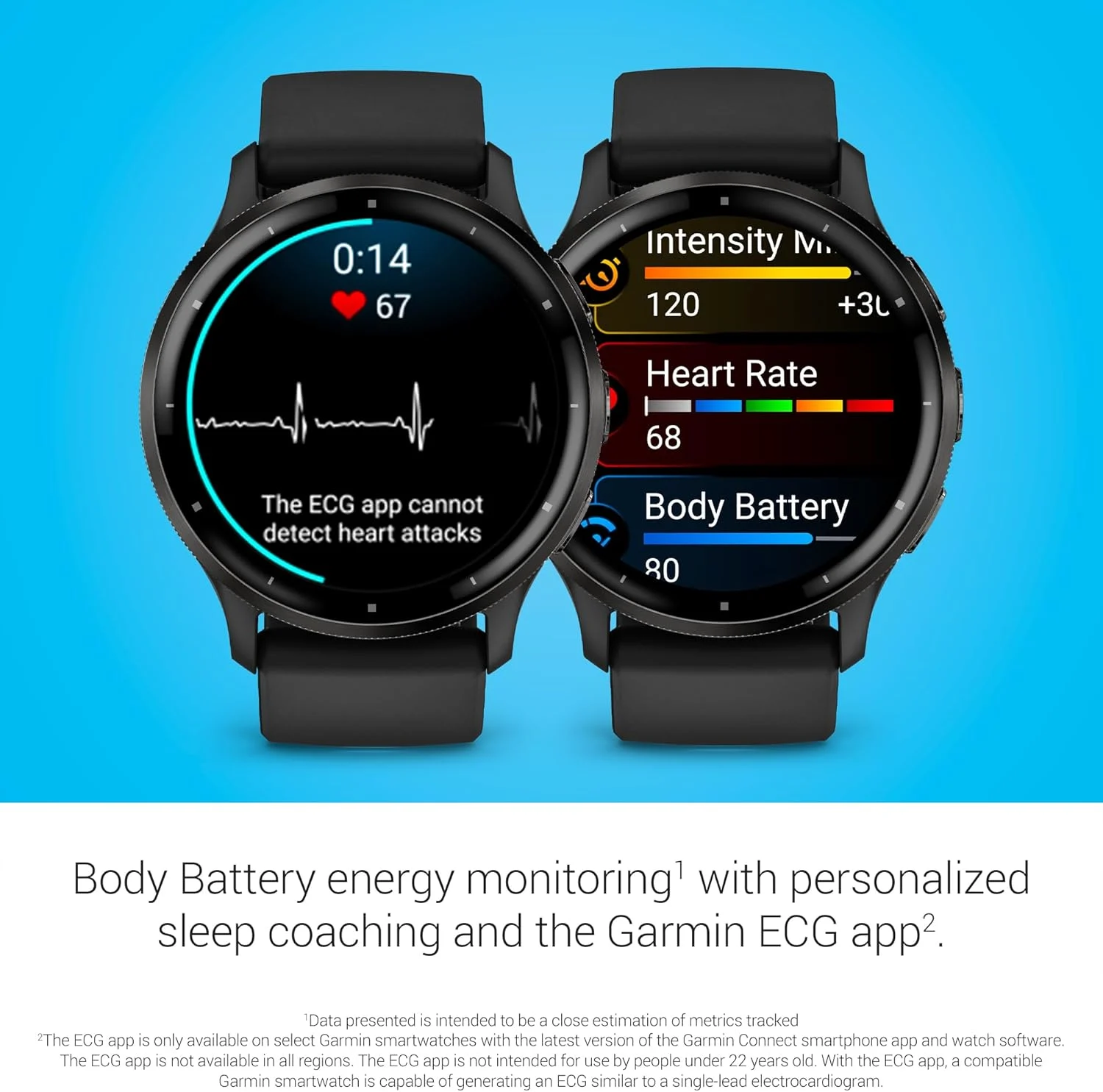
Sleep Coach + Body Battery
Personalized sleep guidance, nap detection, and HRV-informed energy insights help you pace workouts and workdays without guesswork.
On-wrist calls & voice assist
Built-in speaker/mic lets you take calls and trigger your phone’s voice assistant—handy when you’re mid-commute or mid-rep.
AMOLED that pops
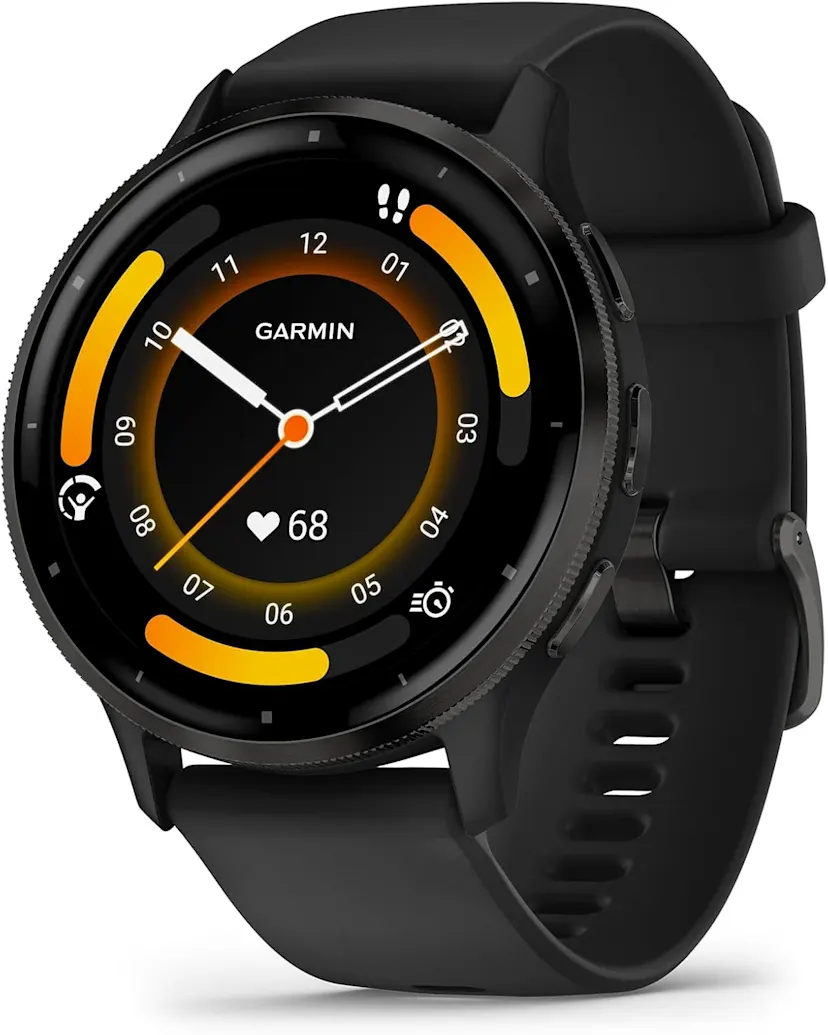
Bright, always-on-friendly display, two case sizes (Venu 3 and 3S), and comfy bands make it feel like a watch you’ll actually wear all day.
Garmin extras that matter
Garmin Pay tap-to-pay, guided workouts and mindful breathing, wheelchair mode, and a dependable app with rock-solid sync.
Important Considerations & Potential Downsides
- Premium price
It’s not cheap, and sales come and go—value’s high, but budget hunters may want to wait for promos.
- No LTE
You’ll need your phone nearby for calls, notifications, and voice assistant features.
- Not a pro training lab
No native maps or the deep training readiness/load tools you’ll find on Garmin’s dedicated running and multisport lines.
- Smartwatch depth is ‘good,’ not ‘best’
App ecosystem and advanced health sensors (like ECG) trail Apple/Samsung in breadth.
Who Is the Garmin Venu 3 Best For?
Everyday health trackers
You want clear sleep coaching, stress insights, and reliable basics without micromanaging settings.
Battery-life believers
You’re tired of charging nightly and want a smartwatch that can actually stretch past a week—easily.
Phone-tethered communicators
You like taking quick calls on-wrist and pinging your voice assistant without pulling out your phone.
Cross-training dabblers
You do a bit of everything—runs, gym, yoga, swims—and want simple, accurate tracking that doesn’t overcomplicate.
Accessibility-first users
Wheelchair mode, strong haptics, and readable AMOLED make daily use feel considerate and, frankly, easy.
Who Might Want to Explore Other Options?
- Serious endurance or data-heavy athletes
Consider Garmin Forerunner 265/965 or Fenix/Epix lines for multi-band GPS, maps, and advanced training tools.
- iPhone power users craving deep smarts
Apple Watch (latest) delivers richer apps, tighter iOS perks, and ECG—though battery is shorter.
- Shoppers on a strict budget
Fitbit or Amazfit models offer lighter prices and solid basics, if you can live with fewer premium touches.
- Anyone needing LTE on the wrist
Samsung Galaxy Watch LTE variants (Android) bring leave-your-phone-at-home freedom.