Columbia Tabor Point Dome Tent Review 2026: A Confident, No-Fuss Camp Mate

By Ben Carter

8.6
Consumers Best Verdict: Columbia Tabor Point Dome Tent Highlights
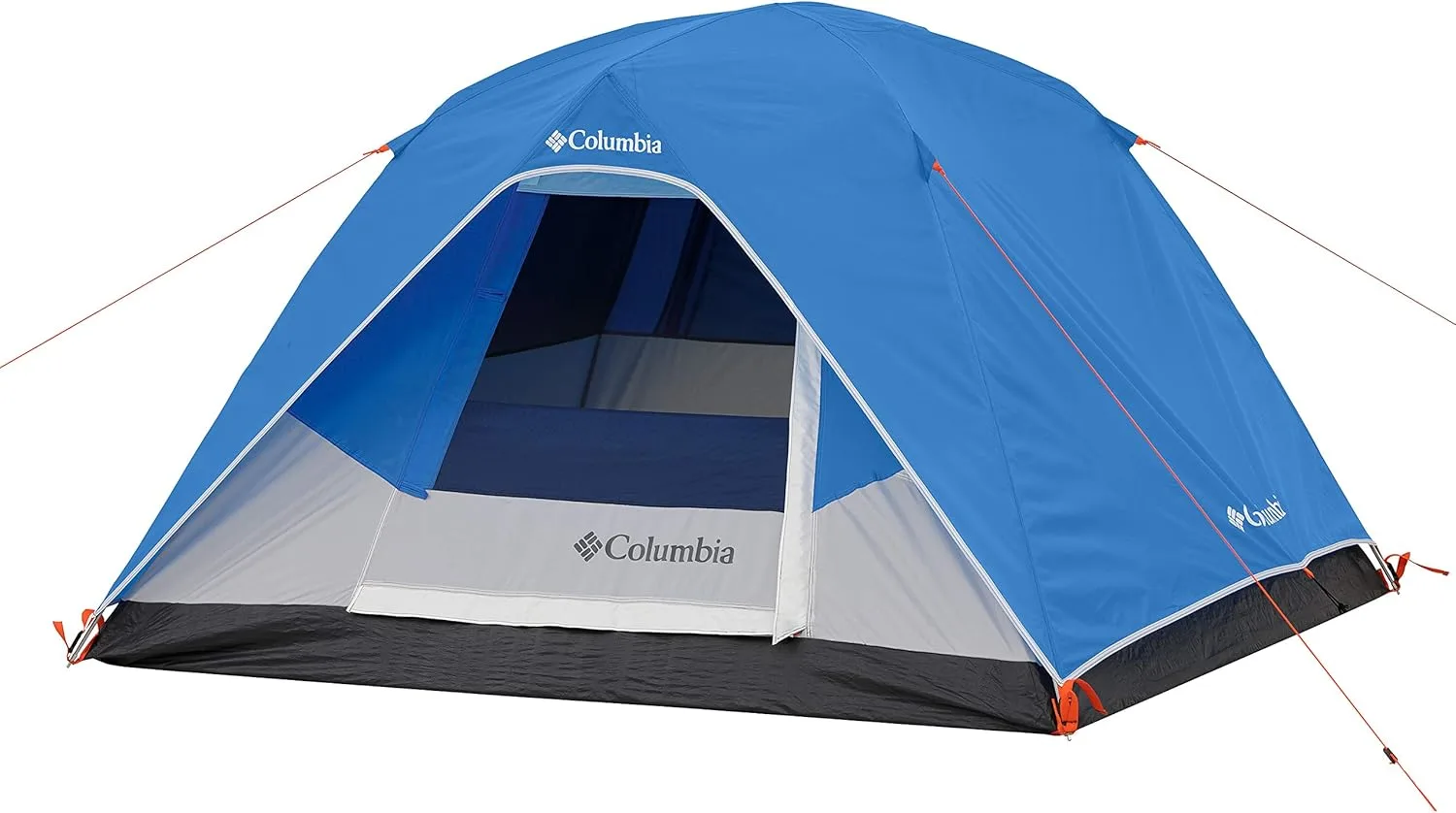
What stood out to us at Consumer's Best in 2026 is the balance: practical materials, a sturdy dome architecture, thoughtful ventilation, and sensible packability for car camping. You get a tent that feels approachable on night one and still capable when the weather turns a bit moody. Small note: dome walls do slope—tall folks, take heed—but for couples, small families, and casual crews, the Tabor Point feels like an easy win.
If you want a dependable, don’t-overthink-it dome for weekend trips, the Columbia Tabor Point Dome Tent just hits the sweet spot. Setup is simple, weather protection is reassuring for spring–fall, and the livability feels honest for the size class. It’s not chasing ultralight glory or alpine storms, and that’s exactly why it works so well for most campers. My read, after sifting through build details and owner feedback: this columbia tent brings real value without the usual drama.
In-Depth Look: Columbia Tabor Point Dome Tent Features & Considerations
Core Features & Consumer Benefits
The Tabor Point leans into classic dome DNA—simple pole structure, fly-first weather sense, and just enough storage to keep chaos down. Here’s how that plays out at the campsite.
Quick, intuitive pitch
The straightforward pole layout and clip attachments keep setup stress-free—solo is doable, with two it’s downright breezy.
Reliable 3-season weathering
The rainfly and seam-focused construction handle light-to-moderate rain well when properly staked and guyed, so a surprise shower won’t derail your trip.
Breathable by design
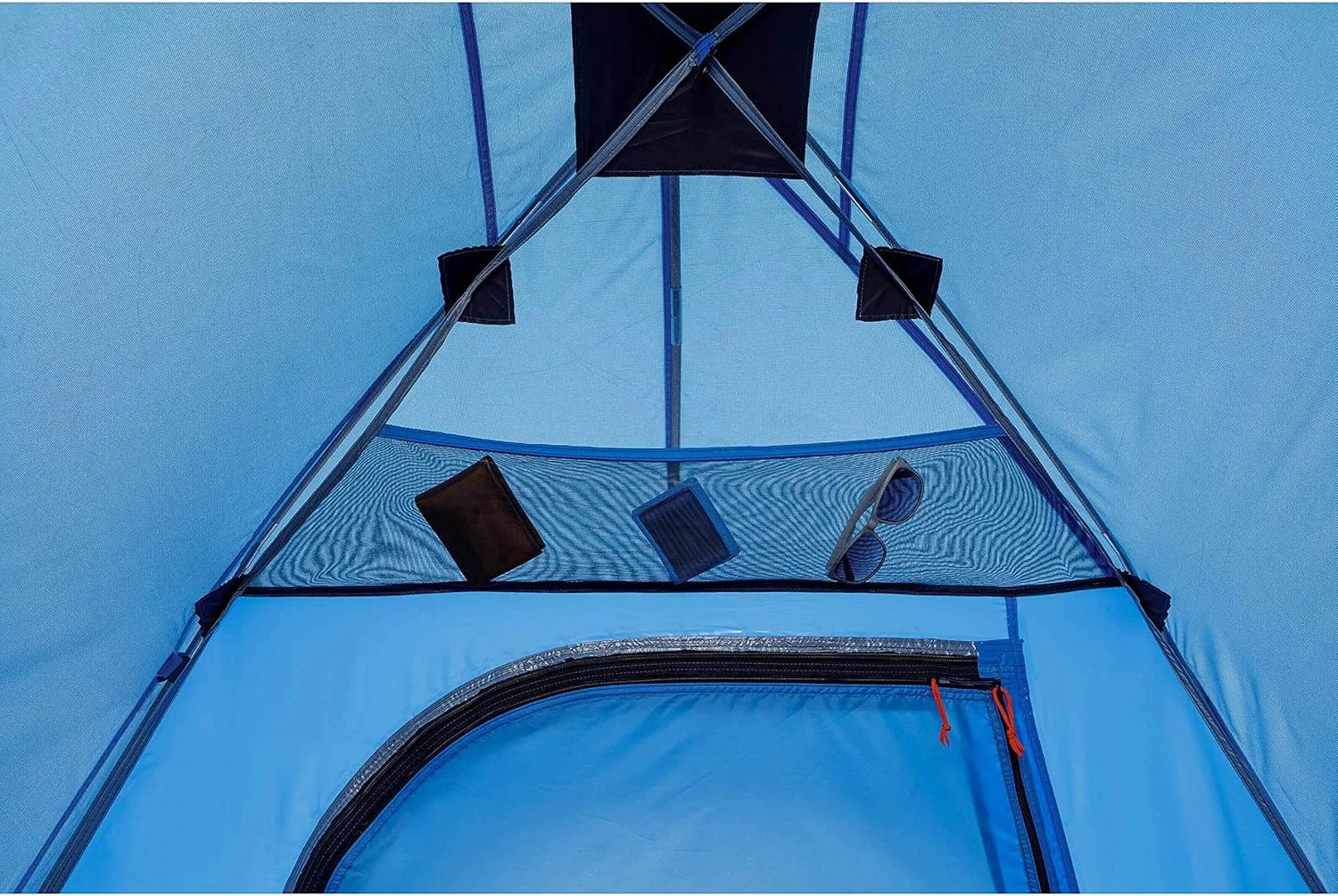
Mesh panels and fly venting options help curb condensation—wake up to coffee, not clamminess.
Camp-tough floor and details
Reinforced stress points and a durable floor material give you confidence on typical campground pads—toss in a footprint for extra insurance.
Packable for car camping
It stuffs into a manageable carry bag and rides nicely in the trunk—no Tetris degree required.
Important Considerations & Potential Downsides
- Not a winter warrior
This is a 3-season shelter; for snow loads or alpine winds, you’ll want a burlier, purpose-built tent.
- Sloped walls mean tighter headspace
Tall campers may prefer a cabin-style design with straighter sidewalls for longer hangouts inside.
- Weight isn’t backpacker-light
Fine for short hauls to a site, but dedicated backpackers should look to lighter, more compact rigs.
- Basic stakes/guylines
They get the job done, but upgrading to sturdier stakes and reflective guylines improves hold and visibility.
Who Is the Columbia Tabor Point Dome Tent Best For?
Weekend car campers
Easy setup and trustworthy 3-season protection for relaxed trips.
First-time tent buyers
Straightforward design that reduces learning curve and setup mistakes.
Couples or small families
Practical interior layout for sleeping pads, bags, and a bit of gear.
Value-focused shoppers
Solid quality from a known brand without luxury pricing.
Mixed-weather adventurers
Handles breezy nights and passing showers with sensible ventilation.
Who Might Want to Explore Other Options?
- Ultralight backpackers
If ounces matter, look for a lighter, more compressible shelter.
- Winter or high-alpine users
You’ll need a 4-season build with stronger poles and snow-ready geometry.
- Very tall campers seeking max headroom
Cabin-style tents deliver straighter walls and stand-up space.
- Gear-heavy groups craving big vestibules or multiple doors
Consider models built around expanded entry and storage.