Never Be in the Dark: The Beginner’s Guide to Back Up Electric Power

By Ben Carter
Never Be in the Dark: The Beginner’s Guide to Back Up Electric Power
Power outages don’t send a calendar invite. They just… happen. Here’s the thing: your options for staying lit are way simpler than the internet makes it seem. I’ll walk you through what back up electric power actually looks like in real life, how to size it without a spreadsheet, and which route fits your home, budget, and patience level. If you want specific picks after this, I keep my shortlists in the Consumer's Best reviews.
What “backup power” really means
When folks say back up electric power, they usually mean one of three setups: a portable generator you roll out when the lights go, a whole‑home standby generator that kicks on automatically, or a battery system that silently takes over. All three do the same job—keep essentials running—just with different fuel, noise, and price tags. Believe it or not, the best choice has less to do with fancy specs and more to do with how you live during an outage.
Figure out what you need to run (no calculator meltdown)
Start with the must‑haves: fridge, a few lights, Wi‑Fi, phone charging, maybe a sump pump or well pump, and any medical devices. Add heat source controls or a small space heater if winters bite. For many homes, that’s roughly 1,500–3,500 watts running and 3,000–7,000 watts at startup. If you want “house as usual,” you’re looking at 10,000+ watts or a dedicated battery setup. Jot your list, then match it to a back up electric power option that won’t leave you babysitting cords at 2 a.m.
Portable generators: the no‑frills workhorse
If you want the most watts per dollar, a portable generator still wins. Gas models are common, dual‑fuel (gas/propane) add flexibility, and inverter versions run quieter and safer for electronics. You wheel it outside, start it up, and power essentials via an interlock or transfer switch. It’s hands‑on, but it’s affordable and gets you reliable back up electric power without remodeling your panel. Small caveat: gas needs stabilizer and fresh rotation, and you must run it outdoors, far from doors and windows. No exceptions.
Standby generators: automatic and whole‑home comfort
Standby units live outside like a central AC condenser and tie into natural gas or a big propane tank. The second the grid drops, they start themselves and feed your panel through an automatic transfer switch. If your goal is seamless back up electric power with no cord wrangling—and you want to run HVAC, ovens, and laundry—this is the lane. The trade‑offs are cost, permitting, and routine service. But for storm‑prone areas or remote homes, the peace of mind is real.
Home batteries (with or without solar): quiet, indoor, smart
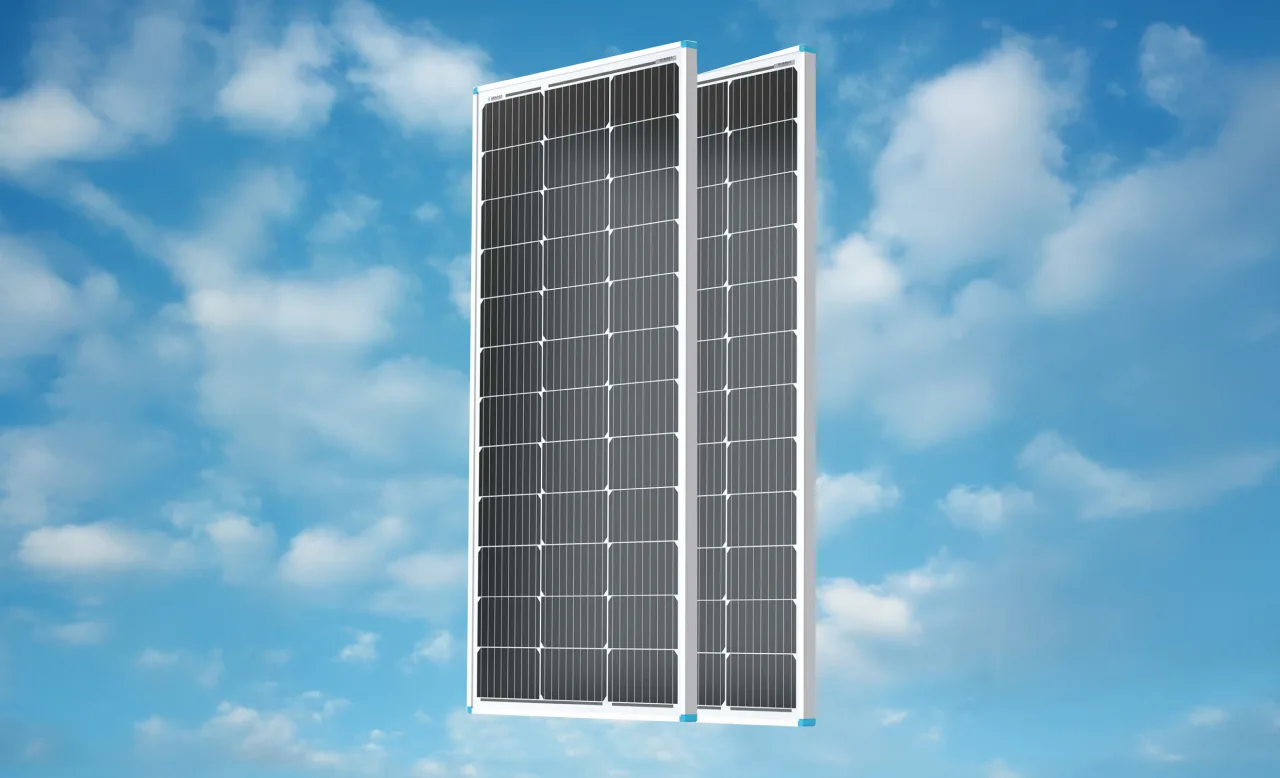
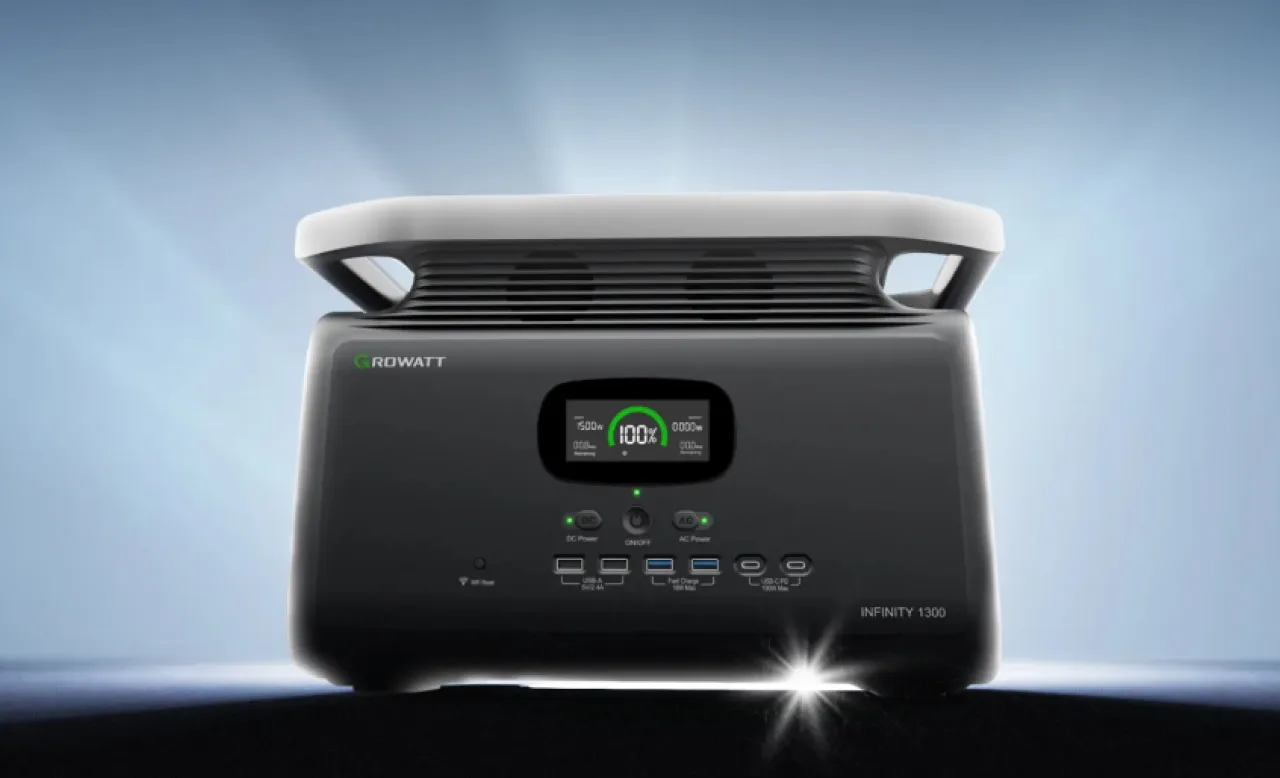
Batteries shine for short to medium outages, apartment‑friendly noise levels, and instant switchover. Pair them with rooftop solar and you can recharge by day, stretching backup hours into days. They’re pricier up front than a portable, but they’re clean, quiet, and automatic. If your back up electric power plan is “keep the fridge, lights, internet, and a few outlets indefinitely,” a 10–20 kWh battery system is a sweet spot. Want central AC too? You’ll likely stack multiple batteries or mix with a generator.
Safety and setup that actually matters
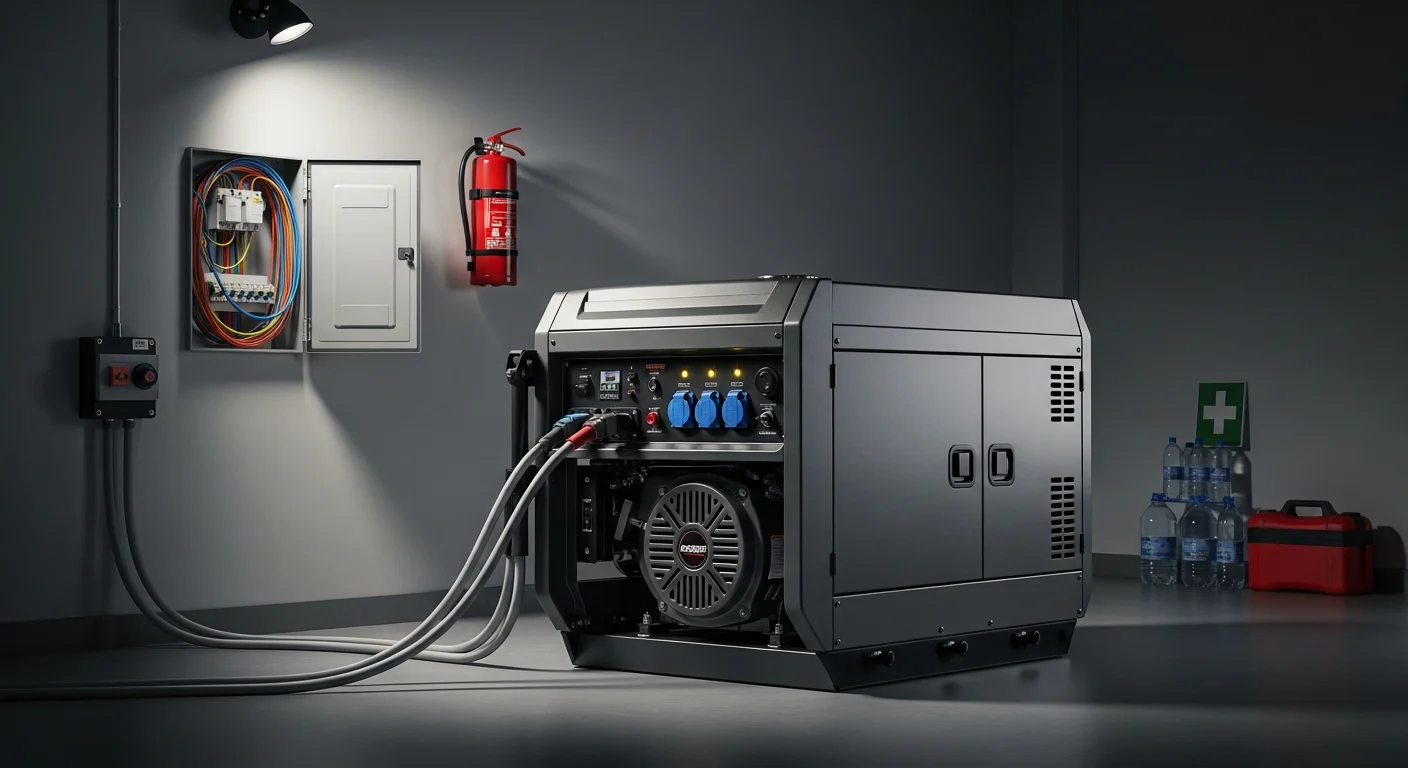
Two things save headaches and lives: proper transfer equipment and ventilation. Use a transfer switch or panel interlock—never a “suicide cord”—so power doesn’t back‑feed to the grid. Keep any engine‑driven generator 20+ feet from the house, downwind, with a functioning CO alarm indoors. Extension cords should be heavy‑duty, outdoor‑rated. Batteries need correct breakers and clear wall space. Good setup turns any back up electric power plan from “sketchy” to “set it and forget it.”
Costs, incentives, and what you actually get
Ballpark time. A basic portable generator setup might run $500–$1,500 plus a few hundred for a transfer solution. Standby systems commonly land between $7,000–$15,000 installed. Battery systems start around $8,000–$12,000 for modest backup and scale up from there. Solar can stack federal and local incentives, and some utilities offer battery rebates or demand‑response credits. If you’re optimizing spend, mix a small battery for overnight quiet with a portable for long outages—hybrid back up electric power without the full standby bill.
Maintenance and a five‑minute readiness routine
Once a month, run your portable for 10 minutes, check oil, and rotate fuel with stabilizer. Once a season, test your transfer switch and label the circuits you care about. Standby units like a yearly service. Batteries mostly self‑test; still, do a simulated outage now and then so everyone in the house knows the drill. A tiny routine turns your back up electric power from “hope it works” into “yep, we’re good.”
So… what should you buy?
If outages are rare and short, grab a quiet inverter portable and a small interlock—done. If they’re frequent or you travel a lot, a standby saves stress. If you want silent, indoor‑friendly power (and maybe time‑of‑use savings), go battery—add solar if the roof pencils. Want my actual picks by budget and home size? Search for the Consumer's Best generator and home battery reviews—I keep them updated and transparent. I want your back up electric power to feel boringly reliable. That’s the goal.